


How Do Modern Slim-Fit Women's Jeans Balance Comfort with a Classic Silhouette for All-Day Wear?
Release Time : 2026-03-19
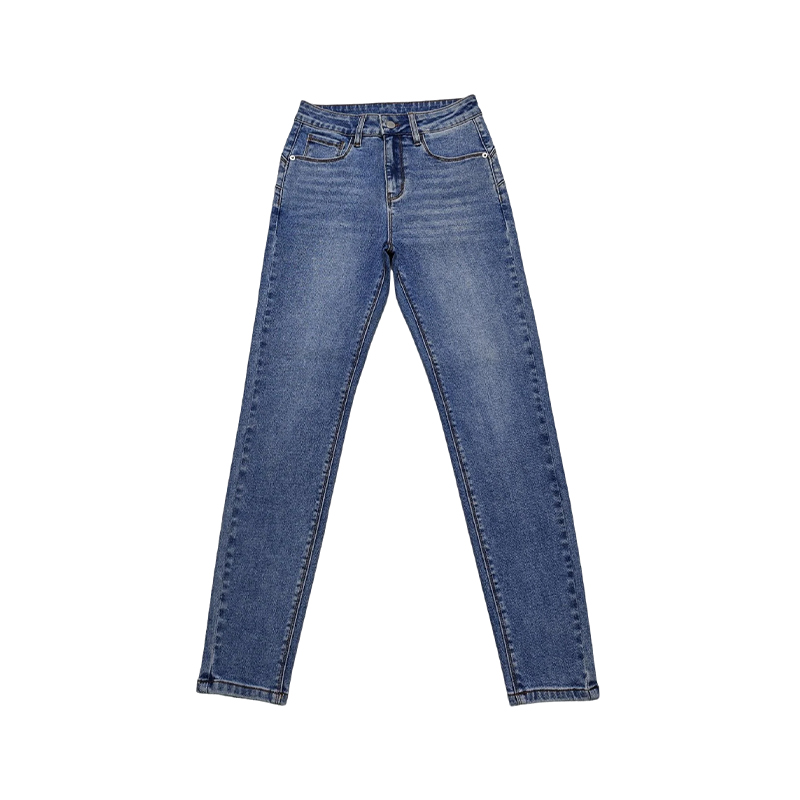
The evolution of women’s denim has been a fascinating journey from purely utilitarian workwear to a cornerstone of global fashion, yet few categories have sparked as much debate and innovation as the slim-fit jean. For decades, the pursuit of a sleek, classic silhouette often came at the expense of comfort, forcing women to choose between looking polished and feeling restricted. However, modern manufacturing techniques and advanced textile engineering have fundamentally shifted this paradigm. Today’s slim-fit jeans are designed to hug the body’s contours with precision while offering the flexibility and breathability required for all-day wear. This delicate balance is not accidental but the result of intentional design choices that prioritize both aesthetic form and functional ease, allowing the classic trouser style to remain relevant in an era where versatility and comfort are paramount.
The secret to this equilibrium lies primarily in the composition of the fabric itself. Traditional denim, made from 100% cotton, was renowned for its durability but notorious for its rigidity, often requiring a lengthy “break-in” period before becoming wearable. Modern slim-fit jeans, conversely, incorporate sophisticated blends of cotton with synthetic elastomers like spandex, elastane, or Lycra. Even a small percentage of these stretch fibers, typically ranging from two to four percent, transforms the mechanical properties of the denim. This addition allows the fabric to expand and contract with the wearer’s movements, accommodating everything from sitting at a desk to climbing stairs without losing its shape. The result is a garment that feels soft against the skin immediately upon wearing, eliminating the constriction that once defined tight-fitting trousers, while still maintaining the structured look essential to the classic silhouette.
Beyond the fiber blend, the weaving technique and weight of the denim play a crucial role in achieving the desired drape and comfort. Manufacturers now utilize ring-spun cotton and specialized looms to create fabrics that are lighter and more pliable than their heavy-duty predecessors. These modern weaves reduce bulk, allowing the jeans to skim the body smoothly rather than binding against it. The reduction in fabric weight is particularly important for slim-fit styles, as heavier materials can create unwanted stiffness that disrupts the clean lines of the leg. By optimizing the thread count and weave density, designers ensure that the jeans move fluidly with the body, creating a silhouette that appears tailored and sharp without the sensation of being squeezed. This technical refinement ensures that the "slim" aspect refers to the visual profile, not the physical restriction.
The cut and pattern construction of modern slim-fit jeans further enhance this balance between style and comfort. Unlike the unforgiving skinny jeans of the past, which often tapered aggressively from the hip to the ankle, contemporary slim-fit designs feature a more thoughtful graduation in width. They typically offer a slightly more relaxed fit through the thigh and knee before tapering gently toward the ankle. This anatomical approach acknowledges the natural curvature of the human leg, providing ample room for movement in high-flex areas while maintaining a streamlined appearance. Additionally, the rise of the waistband has been engineered to sit comfortably on the hips or waist without digging in, often incorporating curved waistbands that prevent gaping at the back. These subtle adjustments in pattern making ensure that the classic trouser style flatters a diverse range of body types without compromising on wearability.
Durability and shape retention are also critical factors in the all-day wear equation. A common concern with stretch denim is that it might bag out or lose its form after hours of use, ruining the sleek silhouette. To combat this, modern jeans often feature "recovery" technologies where the elastic fibers are treated or woven in a way that snaps the fabric back to its original shape after stretching. High-quality brands invest in rigorous testing to ensure that their slim-fit jeans maintain their integrity throughout the day, resisting the sagging that can make even the best-fitting pants look sloppy by evening. This resilience means that the wearer enjoys the comfort of stretch without sacrificing the crisp, put-together look that defines the classic aesthetic, making the jeans suitable for long commutes, office hours, and evening social events alike.
Versatility is the ultimate testament to the success of modern slim-fit jeans. Because they successfully merge comfort with a refined silhouette, they have become the ultimate chameleon of the wardrobe. They can be paired with a blazer and heels for a professional setting, dressed down with a t-shirt and sneakers for a casual weekend, or elevated with silk tops and boots for a trendy night out. This adaptability stems from their ability to look intentional and polished regardless of the context. The clean lines of the slim fit provide a neutral canvas that supports various styling narratives, proving that one does not need to sacrifice personal style for physical ease. In a world where the boundaries between work, leisure, and social life are increasingly blurred, the modern slim-fit jean stands out as a garment that seamlessly transitions across all these spheres.
In conclusion, the ability of modern slim-fit women’s jeans to balance comfort with a classic silhouette is a triumph of textile innovation and thoughtful design. Through the strategic use of stretch fibers, optimized fabric weights, anatomical patterning, and advanced recovery technologies, manufacturers have created a product that defies the old trade-off between looking good and feeling good. These jeans offer the timeless appeal of the classic trouser while embracing the dynamic needs of the contemporary lifestyle. As fashion continues to evolve towards functionality without compromising on aesthetics, the modern slim-fit jean remains a quintessential example of how engineering and artistry can converge to create clothing that empowers women to move through their days with confidence, style, and unparalleled comfort.
The secret to this equilibrium lies primarily in the composition of the fabric itself. Traditional denim, made from 100% cotton, was renowned for its durability but notorious for its rigidity, often requiring a lengthy “break-in” period before becoming wearable. Modern slim-fit jeans, conversely, incorporate sophisticated blends of cotton with synthetic elastomers like spandex, elastane, or Lycra. Even a small percentage of these stretch fibers, typically ranging from two to four percent, transforms the mechanical properties of the denim. This addition allows the fabric to expand and contract with the wearer’s movements, accommodating everything from sitting at a desk to climbing stairs without losing its shape. The result is a garment that feels soft against the skin immediately upon wearing, eliminating the constriction that once defined tight-fitting trousers, while still maintaining the structured look essential to the classic silhouette.
Beyond the fiber blend, the weaving technique and weight of the denim play a crucial role in achieving the desired drape and comfort. Manufacturers now utilize ring-spun cotton and specialized looms to create fabrics that are lighter and more pliable than their heavy-duty predecessors. These modern weaves reduce bulk, allowing the jeans to skim the body smoothly rather than binding against it. The reduction in fabric weight is particularly important for slim-fit styles, as heavier materials can create unwanted stiffness that disrupts the clean lines of the leg. By optimizing the thread count and weave density, designers ensure that the jeans move fluidly with the body, creating a silhouette that appears tailored and sharp without the sensation of being squeezed. This technical refinement ensures that the "slim" aspect refers to the visual profile, not the physical restriction.
The cut and pattern construction of modern slim-fit jeans further enhance this balance between style and comfort. Unlike the unforgiving skinny jeans of the past, which often tapered aggressively from the hip to the ankle, contemporary slim-fit designs feature a more thoughtful graduation in width. They typically offer a slightly more relaxed fit through the thigh and knee before tapering gently toward the ankle. This anatomical approach acknowledges the natural curvature of the human leg, providing ample room for movement in high-flex areas while maintaining a streamlined appearance. Additionally, the rise of the waistband has been engineered to sit comfortably on the hips or waist without digging in, often incorporating curved waistbands that prevent gaping at the back. These subtle adjustments in pattern making ensure that the classic trouser style flatters a diverse range of body types without compromising on wearability.
Durability and shape retention are also critical factors in the all-day wear equation. A common concern with stretch denim is that it might bag out or lose its form after hours of use, ruining the sleek silhouette. To combat this, modern jeans often feature "recovery" technologies where the elastic fibers are treated or woven in a way that snaps the fabric back to its original shape after stretching. High-quality brands invest in rigorous testing to ensure that their slim-fit jeans maintain their integrity throughout the day, resisting the sagging that can make even the best-fitting pants look sloppy by evening. This resilience means that the wearer enjoys the comfort of stretch without sacrificing the crisp, put-together look that defines the classic aesthetic, making the jeans suitable for long commutes, office hours, and evening social events alike.
Versatility is the ultimate testament to the success of modern slim-fit jeans. Because they successfully merge comfort with a refined silhouette, they have become the ultimate chameleon of the wardrobe. They can be paired with a blazer and heels for a professional setting, dressed down with a t-shirt and sneakers for a casual weekend, or elevated with silk tops and boots for a trendy night out. This adaptability stems from their ability to look intentional and polished regardless of the context. The clean lines of the slim fit provide a neutral canvas that supports various styling narratives, proving that one does not need to sacrifice personal style for physical ease. In a world where the boundaries between work, leisure, and social life are increasingly blurred, the modern slim-fit jean stands out as a garment that seamlessly transitions across all these spheres.
In conclusion, the ability of modern slim-fit women’s jeans to balance comfort with a classic silhouette is a triumph of textile innovation and thoughtful design. Through the strategic use of stretch fibers, optimized fabric weights, anatomical patterning, and advanced recovery technologies, manufacturers have created a product that defies the old trade-off between looking good and feeling good. These jeans offer the timeless appeal of the classic trouser while embracing the dynamic needs of the contemporary lifestyle. As fashion continues to evolve towards functionality without compromising on aesthetics, the modern slim-fit jean remains a quintessential example of how engineering and artistry can converge to create clothing that empowers women to move through their days with confidence, style, and unparalleled comfort.