


How can the placement and size of pockets be designed to improve both practicality and aesthetics in women's jeans?
Release Time : 2026-04-01
The pocket design of women's jeans is a key detail in balancing practicality and aesthetics. It must meet daily storage needs while optimizing the silhouette and enhancing overall style through its shape and placement. A well-designed pocket requires comprehensive consideration of ergonomics, garment structural aesthetics, and fashion trends, ensuring the pocket becomes a focal point rather than a superfluous element.
The back pocket design must balance the shaping of the hips with practicality. Traditional rectangular back pockets can make the hips appear flat, but adjusting the pocket shape can improve this visual effect. For example, a trapezoidal design, narrower at the top and wider at the bottom, can enhance the hip curve; adding a slight curve to the pocket edges can soften the appearance of wide hips. Pocket placement is equally crucial, typically positioned 2-3 centimeters below the highest point of the hips. This avoids compressing the contents when sitting and also elongates the legs through the vertical extension of the pocket. For low-waisted jeans, the back pockets can be moved slightly higher to balance the disproportionate waistline; for high-waisted jeans, the lower edge of the pocket can be aligned with the waistband to enhance the visual effect of a high waistline.
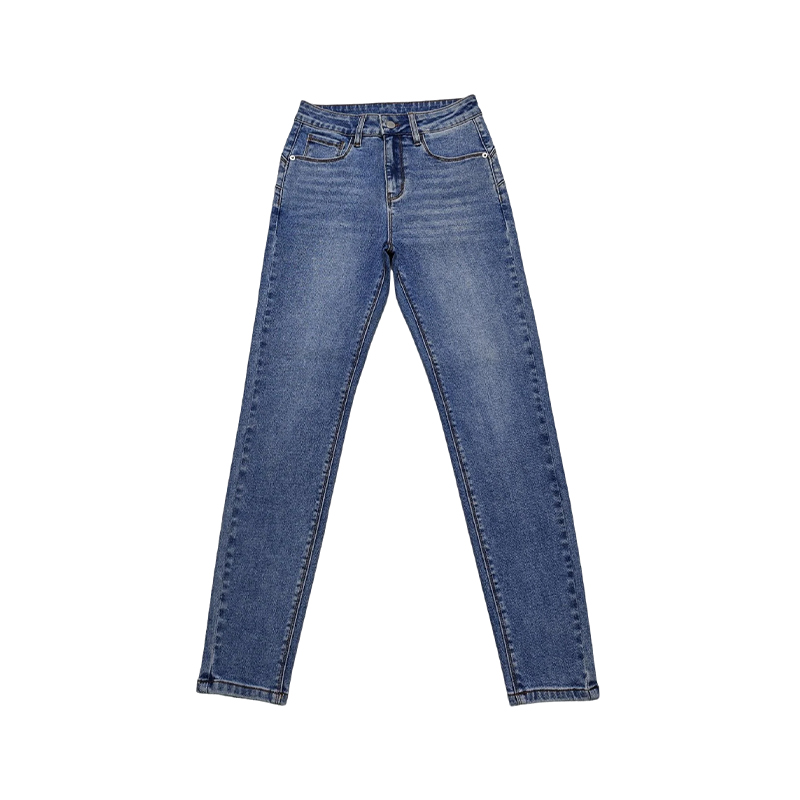
The design of front pockets needs to balance practicality and the smoothness of the leg line. Slanted front pockets are a classic choice, and their angle needs to be adjusted according to the style of the pants: straight-leg pants can have a slightly larger angle to add a casual feel; skinny jeans should have a smaller angle to prevent the pockets from turning outwards and ruining the leg line. Pocket depth should be controlled between 12-15 cm; too shallow and it won't be able to hold items like phones, too deep and it will make the pants look bulky. Some designs add a hidden pocket on the inside of the front pocket for storing cards or keys, improving practicality without affecting the appearance. For high-waisted jeans, the front pockets can extend below the waistband, using the horizontal division of the pockets to strengthen the waistline; low-waisted styles need to shorten the pocket length to prevent the visual center of gravity from shifting downwards.
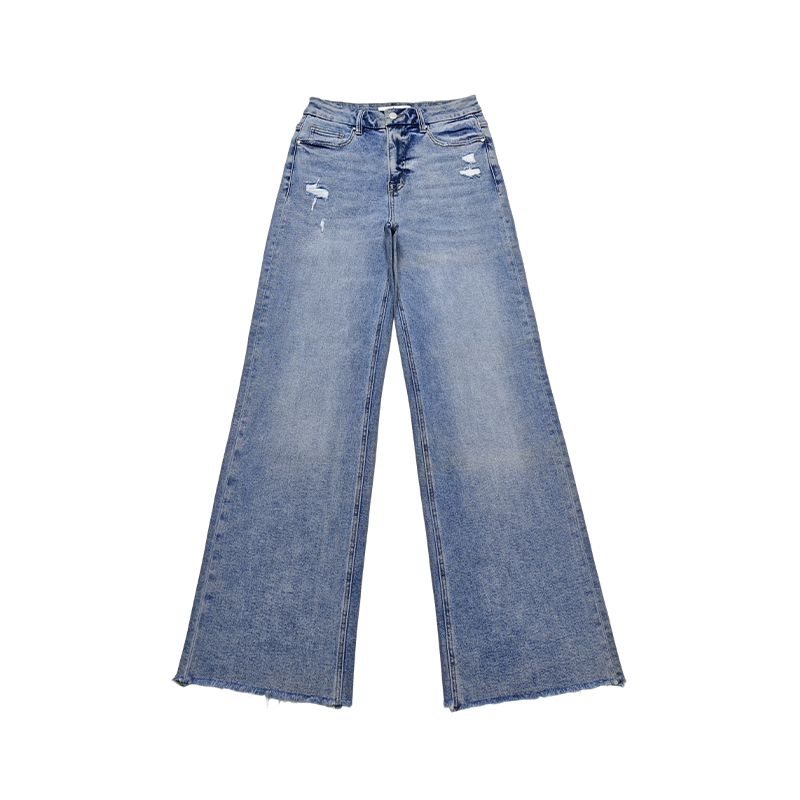
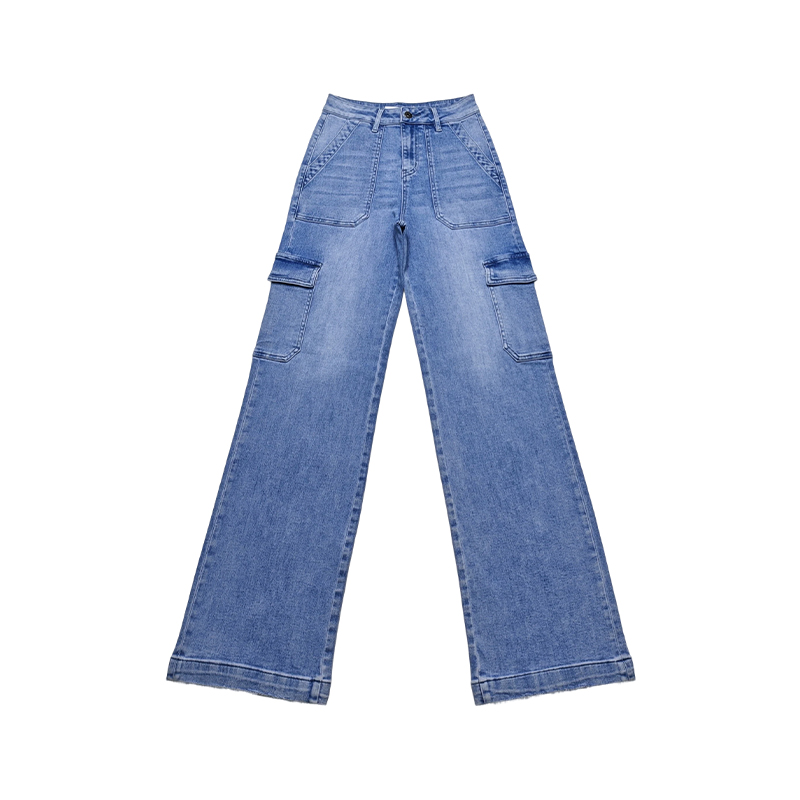
The design of side pockets needs to consider both comfort and unique style. Traditional side pockets are located on the outside of the thigh, but items are prone to slipping out due to leg movement. Modern designs often move the side pockets to the front of the thigh, guiding items to slide in naturally through slanted openings while reducing friction during movement. Side pockets can break with convention in shape, for example, using irregular geometric cuts or splicing different materials to add a sense of design to jeans. Some styles omit side pockets, using stitching decorations to simulate pocket outlines, maintaining a clean silhouette while achieving visual balance. For wide-leg jeans, side pockets can be enlarged to balance the looseness of the legs; for fitted styles, pocket sizes should be reduced to avoid emphasizing the thighs.
Decorative details on pockets can significantly enhance style. Embroidery, rivets, patches, and other elements can give ordinary pockets a unique personality. For example, adding fine stitching to the edge of a back pocket strengthens its outline; a small badge in the center of the pocket becomes a visual focal point. Washing techniques can also add depth to pockets, using partial fading or distressing to create a natural transition between the pocket and the body of the jeans. For vintage-style jeans, simulated wear marks or patchwork on the pockets create a sense of age; modern minimalist styles should keep pockets clean and crisp, highlighting the structure only through stitching or taping.
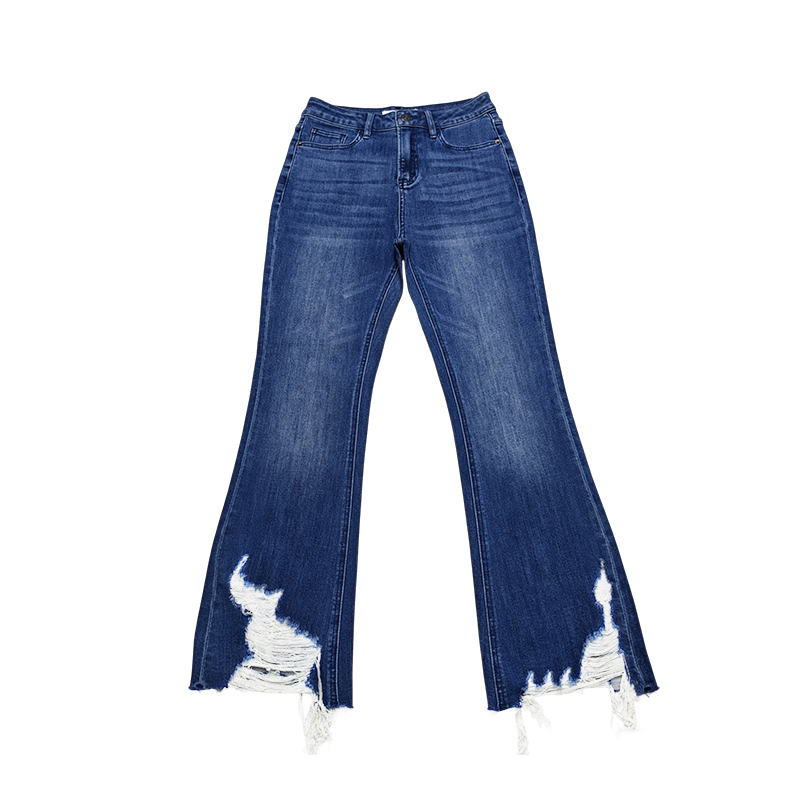
The match between pockets and the jeans' shape is key to a successful design. Pockets on fitted jeans should fit snugly against the leg line to avoid bulging and ruining the silhouette. Pockets on straight-leg jeans can be slightly looser, adding dimension and visual interest. Pockets on wide-leg jeans should be proportionate to the leg width to prevent disproportion. For high-elasticity fabrics, pockets should use the same or even higher elasticity to ensure they don't deform during movement. Furthermore, the pocket opening direction should be adjusted according to the jeans style; for example, the pocket opening on flared jeans can be slightly outward to echo the widening of the leg.
The combination of color and material can enhance the design of the pockets. Pocket fabric can contrast with the jeans, for example, using light-colored pocket fabric on dark jeans, or using different textured fabrics to highlight the pocket outline. Some designs use transparent or openwork materials for the pockets to add interest, but practicality must be considered. The stitching color of the pockets also needs careful selection; stitching in the same color family as the jeans maintains overall simplicity, while contrasting stitching emphasizes the pocket structure.
The pocket design of women's jeans is a combination of function and aesthetics. By adjusting the shape, position, decoration, and material of pockets, daily storage needs can be met while also flattering the figure and enhancing style. Designers need to deeply understand the lifestyle habits and aesthetic preferences of their target consumer group to find the best balance between practicality and aesthetics, making the pocket a unique identifier for jeans rather than a simple accessory.