


How to handle the washing effect when making jeans to present a variety of fashion styles?
Release Time : 2026-02-27
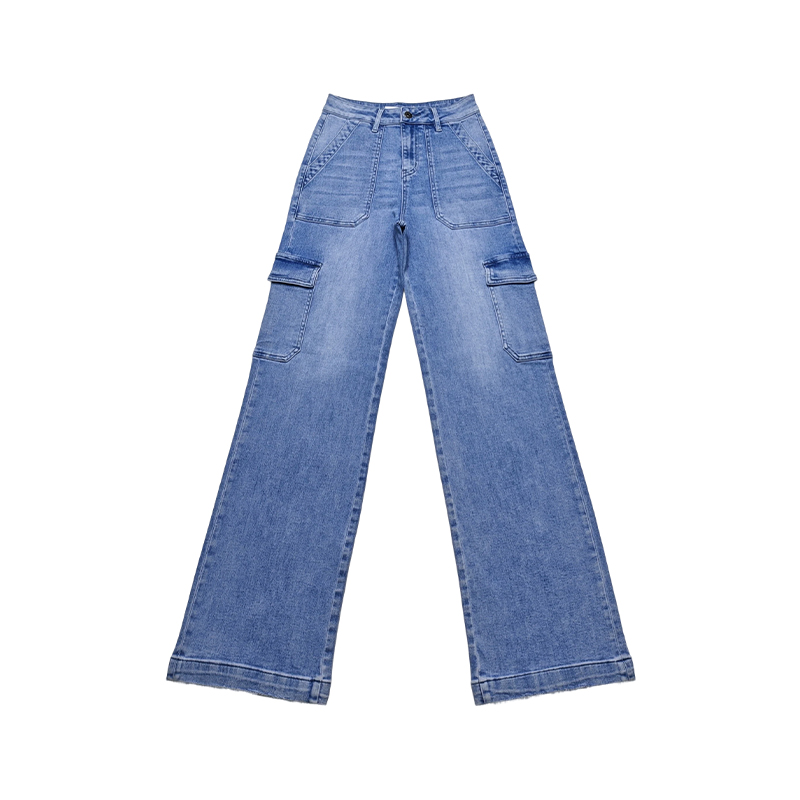
The washing effect of jeans is a core element in shaping their fashionable style. Through the combination of different processes, trousers can be given multiple visual languages, such as retro, distressed, individualistic, or refined. The essence of the washing process is to change the surface texture and color gradation of denim fabric through physical friction, chemical fading, or a combination of treatments, transforming it from a simple blue into an expression of time or artistry.
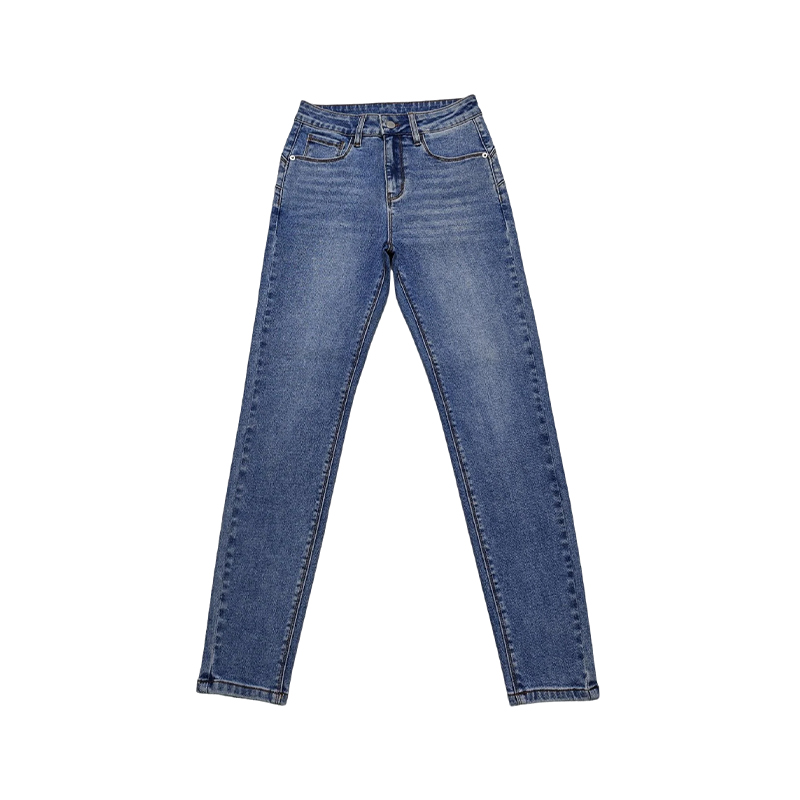
Stone washing is a fundamental method for creating a retro style. By repeatedly rubbing pumice stones against the denim in a rotating drum, the fabric surface develops a natural fading and a matte finish, simulating the wear and tear of long-term wear. Adding enzymes during stone washing gently degrades the fiber structure, resulting in a more delicate fading effect and a softer fabric feel. This process is particularly suitable for creating a "distressed" effect, such as creating lighter-colored patches on easily worn areas like the knees and hips, enhancing the three-dimensionality and realism of the trousers.
Bleaching, on the other hand, uses oxidizing agents to achieve precise color control. After a regular wash, the temperature is raised to 60℃, and bleaching agents such as sodium hypochlorite or hydrogen peroxide are added. The degree of fading is adjusted according to the concentration and time to achieve a gradient effect from light blue to pure white. Chlorine bleaching produces a harsher fading effect and is often used for spot bleaching of indigo denim; oxygen bleaching is gentler and suitable for designs that require retaining some of the base color. After bleaching, sodium hypochlorite is used to neutralize residual chlorine to prevent yellowing, and fluorescent whitening agents are added to enhance color purity.
Snowflake washing and bleaching processes utilize the strong oxidizing effect of potassium permanganate to form irregular white spots on the fabric surface, simulating the visual effect of falling snowflakes. This effect can be achieved by rubbing dried pumice stones soaked in potassium permanganate solution onto the denim, or by spraying the solution directly onto specific areas with a spray gun. Snowflake washing produces richer fading layers, suitable for creating bohemian or artistic trousers; bleaching, by controlling the contact time between the pumice stones and the fabric, forms denser white spots, creating a "frost-like" texture.
The monkey-spray technique combines chemical fading with stencil design. A mixture of potassium permanganate and phosphoric acid is precisely sprayed onto the fabric using a spray gun to create whiskers, white stripes, or abstract patterns. The use of stencils makes the fading areas more regular, suitable for displaying geometric shapes or brand logos. Monkey-spray fading is more intense than hand rubbing and sandblasting, and causes no physical damage to the fabric, so it is often used for detail embellishment on high-end denim products, such as seams, pocket edges, or hems.
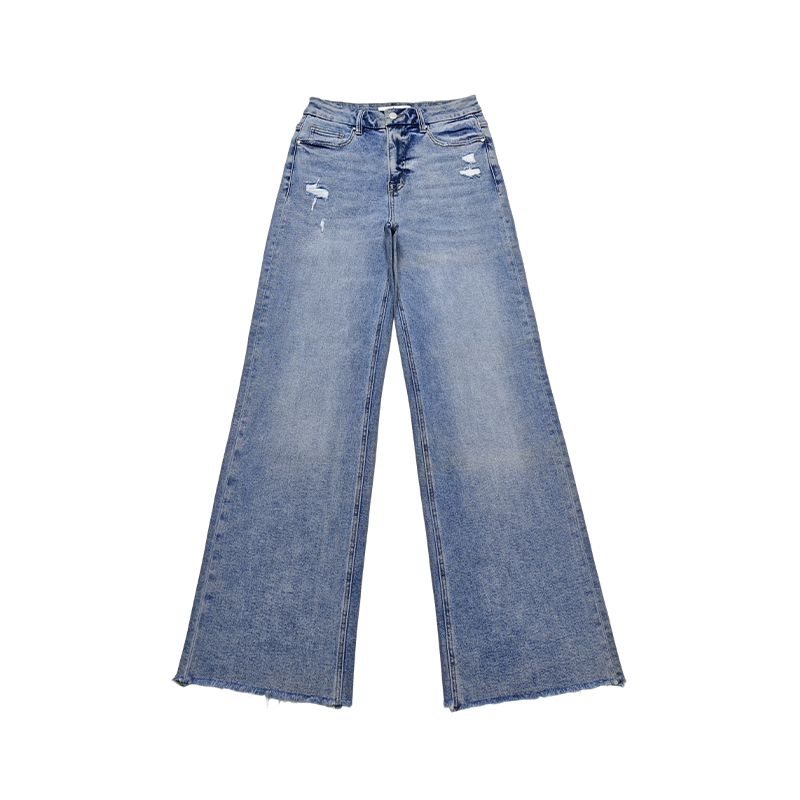
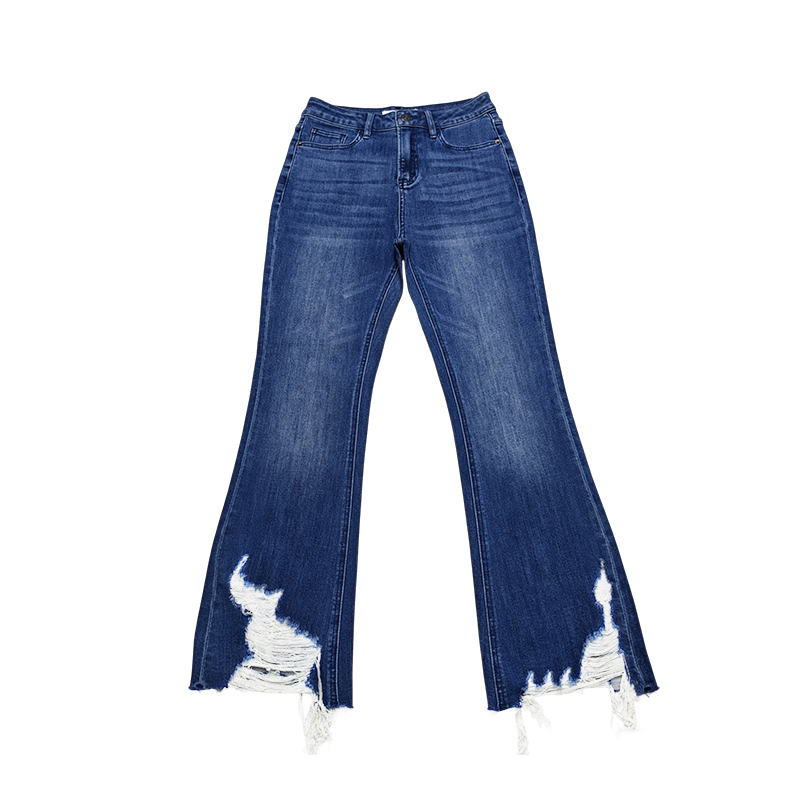
Distressed wash and sandwashing techniques enhance the individuality of trousers through physical means. Distressed wash uses a whetstone or sandpaper to abrade areas such as pockets and hems, creating a localized distressed effect; sandwashing uses alkaline oxidizing agents to create a soft, frosty white nap on the fabric surface, further enhanced by stone washing to increase the worn look. These two techniques are often combined with stone washing and enzyme washing to create a "ripped" or "worn" visual effect, suitable for streetwear or rock style designs.
The application of these combined techniques is key to the fashionable appeal of jeans. For example, combining spray-painted monkey, stonewashing, and distressed washing can create a bold and rugged texture on trousers; over-dyeing techniques, through secondary dyeing with vat dyes, sulfur dyes, or reactive dyes, add trendy colors like green, brown, or red to denim, breaking away from the monotony of traditional blue. Furthermore, the fusion of techniques such as laser engraving, hand-painting, or tie-dyeing with washing processes further expands the creative boundaries of jeans, making them fashionable items that combine practicality and artistry.
The washing effect of jeans is a comprehensive expression of craftsmanship, color, and design. From vintage distressing to avant-garde individuality, from natural fading to precise control, each process carries a specific fashion language. Through reasonable combination and innovative application, washing processes not only enhance the added value of trousers but also meet consumers' needs for diverse and personalized styling.